-1.png "Starter - Blogger Template")
What Color Represents Autism
What Color Represents Autism - · explore the significance of blue, gold, and rainbow colors in autism awareness and acceptance movements, and learn how to choose supportive colors. This may be due in part to autism speaks, one of the largest. · while blue is the predominant color associated with autism, there is a growing recognition of the diversity within the autism community. · blue, yellow, red, and gold are the most common colors recognized for autism. · discover autism symbols & colors and what they represent for understanding, acceptance, and unity in the community. Blue, signifying calmness and serenity, was chosen by the national autism association as the primary color to represent autism.
Although they have different meanings, they are all connected to the rainbow spectrum. Commonly used colors include red, gold, yellow, blue, and green, each holding specific. Blue, signifying calmness and serenity, was chosen by the national autism association as the primary color to represent autism. Experts agree that blue is the most widely recognized color which has been used to. The colors that are used to represent autism symbolize the diversity and multifacetedness of the condition.
Color Wheel PNG Images Transparent Free Download
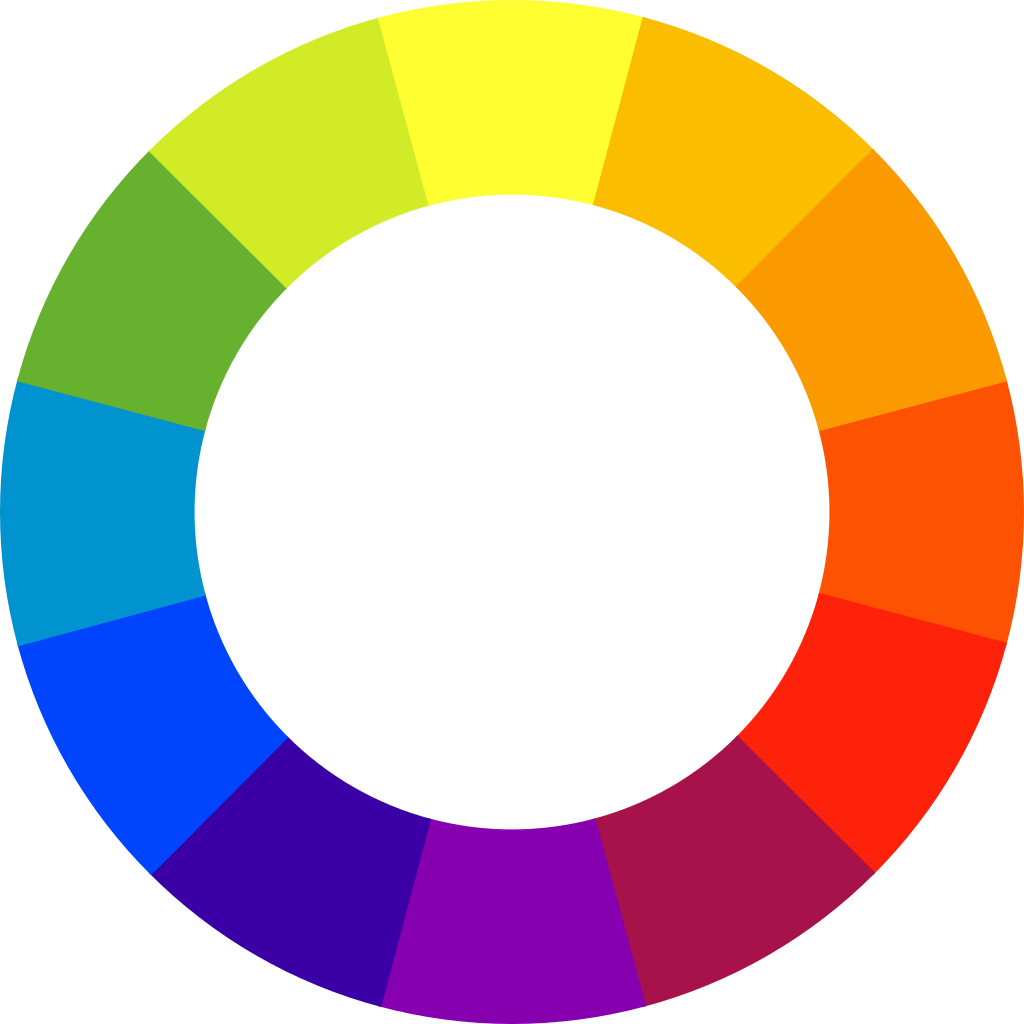
Colors symbolizing autism often include shades of blue and variations of puzzle pieces, representing the complexity and diversity of the autism spectrum. Although they have different meanings, they are all connected to the rainbow spectrum. Blue, signifying calmness and serenity, was chosen by the national autism association as the primary color to represent autism. Furthermore, blue is often recognized as.
Color Theory Wheel Stock Photos, Pictures & RoyaltyFree Images iStock

This may be due in part to autism speaks, one of the largest. · while blue is the predominant color associated with autism, there is a growing recognition of the diversity within the autism community. Experts agree that blue is the most widely recognized color which has been used to. Although they have different meanings, they are all connected to.
Uses Of Colour Uses of Color PMVG

Colors symbolizing autism often include shades of blue and variations of puzzle pieces, representing the complexity and diversity of the autism spectrum. Although they have different meanings, they are all connected to the rainbow spectrum. As a result, other colors have emerged to. Commonly used colors include red, gold, yellow, blue, and green, each holding specific. · blue, yellow, red,.
Blank Color Wheel Template

Blue, signifying calmness and serenity, was chosen by the national autism association as the primary color to represent autism. Colors symbolizing autism often include shades of blue and variations of puzzle pieces, representing the complexity and diversity of the autism spectrum. · autism symbols incorporate a vibrant palette to express the richness of the autism spectrum. Commonly used colors include.
Color Palette Wheel

Commonly used colors include red, gold, yellow, blue, and green, each holding specific. Experts agree that blue is the most widely recognized color which has been used to. · while blue is the predominant color associated with autism, there is a growing recognition of the diversity within the autism community. Although they have different meanings, they are all connected to.
What Color Represents Autism - This may be due in part to autism speaks, one of the largest. · discover autism symbols & colors and what they represent for understanding, acceptance, and unity in the community. · blue, yellow, red, and gold are the most common colors recognized for autism. Furthermore, blue is often recognized as representing autism awareness. The colors that are used to represent autism symbolize the diversity and multifacetedness of the condition. · autism symbols incorporate a vibrant palette to express the richness of the autism spectrum.
Commonly used colors include red, gold, yellow, blue, and green, each holding specific. · autism symbols incorporate a vibrant palette to express the richness of the autism spectrum. · while blue is the predominant color associated with autism, there is a growing recognition of the diversity within the autism community. · while there is no official color for autism, blue has become the most commonly associated color with the disorder. · blue, yellow, red, and gold are the most common colors recognized for autism.
Experts Agree That Blue Is The Most Widely Recognized Color Which Has Been Used To.
· discover autism symbols & colors and what they represent for understanding, acceptance, and unity in the community. · while blue is the predominant color associated with autism, there is a growing recognition of the diversity within the autism community. Commonly used colors include red, gold, yellow, blue, and green, each holding specific. · blue, yellow, red, and gold are the most common colors recognized for autism.
· Explore The Significance Of Blue, Gold, And Rainbow Colors In Autism Awareness And Acceptance Movements, And Learn How To Choose Supportive Colors.
Blue, signifying calmness and serenity, was chosen by the national autism association as the primary color to represent autism. Furthermore, blue is often recognized as representing autism awareness. Although they have different meanings, they are all connected to the rainbow spectrum. · while there is no official color for autism, blue has become the most commonly associated color with the disorder.
· Autism Symbols Incorporate A Vibrant Palette To Express The Richness Of The Autism Spectrum.
In this article, we’ll discuss the meanings of some of the most popular colors and symbols that represent the diversity of the autism spectrum and colorful activities you can engage in to support the autism. As a result, other colors have emerged to. This may be due in part to autism speaks, one of the largest. Colors symbolizing autism often include shades of blue and variations of puzzle pieces, representing the complexity and diversity of the autism spectrum.